How to Prepare Your Home Electrical System for Storm Season
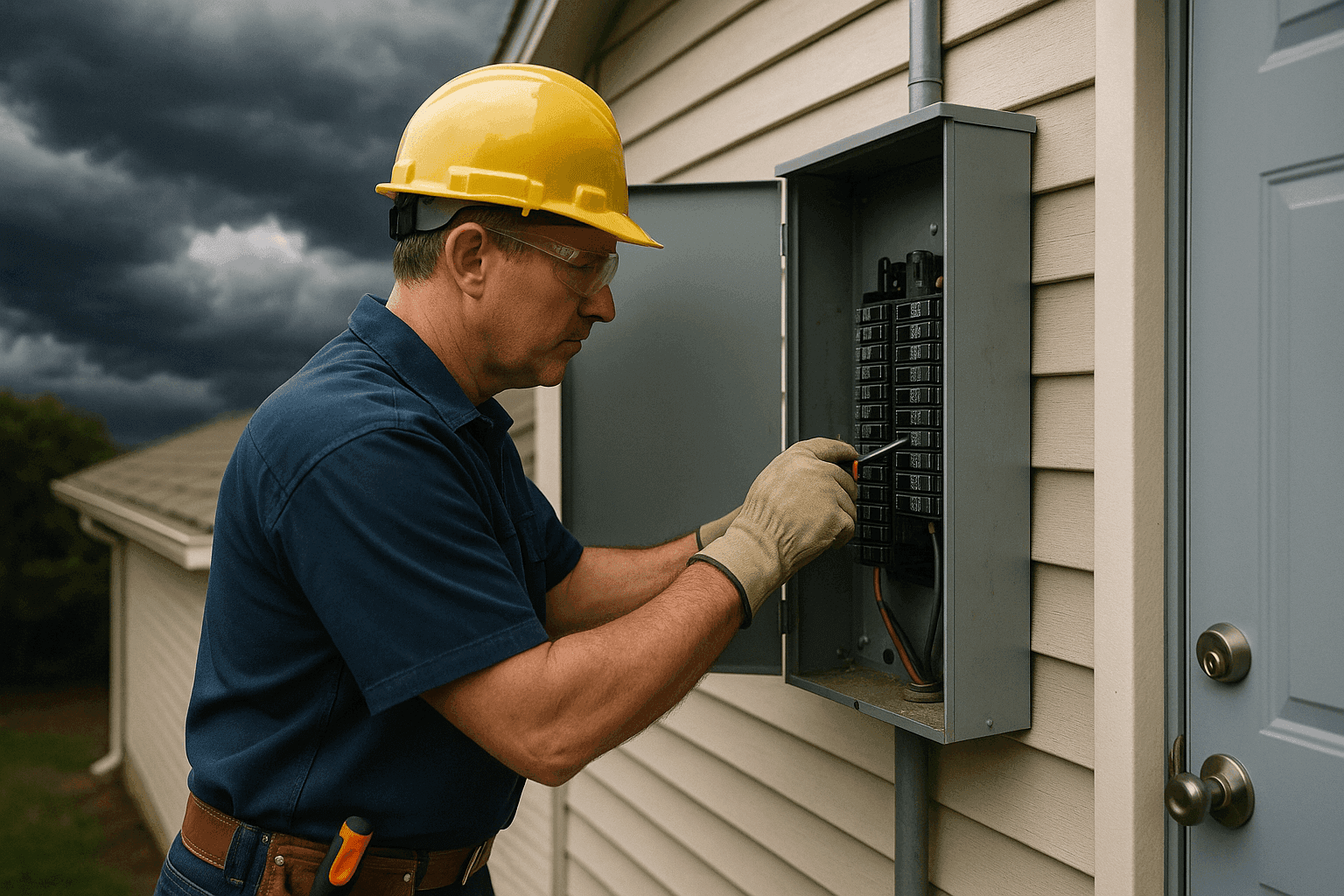
When the sky turns gray and thunder rumbles in the distance, every homeowner feels that flicker of worry. Is your home’s electrical system ready for what’s coming? Storm season brings more than just wind and rain—it can knock out power, fry electronics, and even put your family’s safety at risk.
At Ceres Electricians, we know how quickly a peaceful evening can turn into an emergency. That’s why we’ve put together this essential guide. Let’s walk through how you can prepare your home’s electrical system for storm season—and keep your loved ones safe when the weather takes a turn.
Understanding Electrical Risks During Storms ⚡
Storms don’t just rattle windows—they can shake up your entire electrical system. Here’s what you’re up against:
- Power Surges: Like a tidal wave for your wiring, surges can burn out appliances in a flash.
- Outages: Downed lines and blown transformers can leave your home in the dark for hours or days.
- Water Damage: Flooding and leaks can turn outlets, switches, and panels into shock hazards.
- Fires: Faulty wiring exposed to water or overloaded circuits can spark disasters.
The National Fire Protection Association (NFPA) and Electrical Safety Foundation International (ESFI) both warn that electrical hazards spike during severe weather. Preparing ahead isn’t just smart—it’s essential.
Quick Electrical Storm Safety Checklist
Before the first raindrop falls, run through this list:
- Test all ground fault circuit interrupter (GFCI) outlets.
- Inspect surge protectors—replace any with frayed cords or warning lights.
- Unplug non-essential electronics before a storm hits.
- Secure outdoor wiring, extension cords, and appliances.
- Check that your backup generator is fueled and tested.
- Know where your main electrical panel is—and how to safely shut it off.
- Move portable electronics and power strips off the floor.
- Schedule a professional electrical safety inspection if you haven’t had one in the past year.
Think of this as your storm-season “pre-flight checklist.” A little time now can save a lot of trouble later.
DIY or Call a Pro? Knowing When to Get Help
Some tasks are safe for homeowners. Others? Not so much. Here’s how to tell the difference.
Safe DIY Steps
- Unplugging appliances and electronics
- Securing outdoor extension cords
- Testing GFCI outlets with the built-in button
- Checking batteries in smoke and carbon monoxide detectors
When to Call an Emergency Electrician
- Flickering lights, buzzing panels, or burning smells
- Water anywhere near outlets, panels, or wiring
- Repeated tripped breakers or blown fuses
- Installing or repairing surge protectors, generators, or major wiring
Electricity is powerful—never gamble with your safety. If you’re unsure, it’s always safer to call Ceres Electricians.
What to Expect When a Pro Arrives
When you call in the cavalry—whether for a routine check or a 3 a.m. emergency—here’s what happens next:
- Assessment: We’ll inspect your panel, circuits, and outlets for storm-related risks.
- Testing: Using specialized tools, we check for hidden faults, water damage, or surge risks.
- Repairs: From swapping out a fried breaker to rewiring a damaged circuit, we get things working safely.
- Advice: You’ll get clear, practical tips for keeping your system storm-ready year-round.
Our team follows National Electrical Code (NEC) standards and stays up to date with the latest safety guidelines from organizations like the ESFI.
Prevention & Maintenance: Staying Ahead of the Storm
The best way to handle storm season? Stop problems before they start. Here’s how:
Surge Protection
- Install whole-home surge protectors at your main panel.
- Use quality plug-in surge strips for sensitive electronics.
- Replace surge protectors every few years, or after a major surge event.
Backup Power
- Keep portable generators in a dry, ventilated area—never indoors.
- Test your generator monthly, and top up fuel as needed.
- Consider a professionally installed standby generator for automatic backup.
Electrical System Inspections
- Schedule annual safety checks with a licensed electrician.
- Ask for a detailed report on wiring, outlets, panels, and grounding.
- Address any recommended repairs before storm season starts.
Outdoor Safety
- Secure or cover outdoor outlets and appliances.
- Replace damaged extension cords and weatherproof covers.
- Trim trees and branches away from power lines (hire a pro for this).
A little maintenance goes a long way. Think of it as armor for your home’s electrical system.
Costs & Time Factors
Preparing your electrical system doesn’t have to break the bank—or your schedule.
- Basic inspection: Usually takes 1–2 hours, depending on home size and system complexity.
- Surge protector installation: Often completed in under an hour for plug-in models; whole-home units may take longer.
- Generator testing: Can be done in 30–60 minutes.
- Repairs or upgrades: Vary widely—minor fixes may be same-day, while major rewiring or panel upgrades could take a full day or more.
Costs depend on your home’s needs, the age of your electrical system, and any parts or upgrades required. Investing in prevention is almost always less expensive than repairing storm damage after the fact.
When It’s an Emergency
Sometimes, storms hit hard and fast. Here’s when to call an emergency electrician—day or night:
- Sparking outlets, burning smells, or visible smoke
- Water leaking into your electrical panel or outlets
- Complete loss of power with no clear cause
- Repeated breaker trips or blown fuses after a storm
Safety first. If you suspect an electrical emergency, turn off your main breaker (if safe to do so) and call for help immediately.
Frequently Asked Questions
Do surge protectors really help during storms?
Yes. Surge protectors act like a safety net, absorbing excess voltage from lightning strikes or grid surges. The ESFI recommends both plug-in and whole-home surge protection for storm-prone areas.
Is it safe to use a generator indoors during a storm?
Never. Portable generators emit carbon monoxide, which is deadly in enclosed spaces. Always use generators outdoors, away from windows and doors.
How often should I schedule an electrical safety inspection?
At least once a year—or after any major storm, renovation, or if you notice flickering lights, tripped breakers, or other warning signs.
What’s the safest way to shut off my power during a storm?
Locate your main breaker panel (usually in the garage, basement, or utility room). Flip the main breaker switch to “off.” If there’s water present or you feel unsafe, do not touch the panel—call an emergency electrician right away.
Special Considerations for Storm-Season Electrical Safety
Every home is different. Older wiring, recent renovations, and smart home upgrades can all affect your storm readiness. If you have:
- A pool, spa, or hot tub—ensure all outdoor circuits are protected and inspected.
- Home automation or security systems—use battery backups and surge protection.
- Electric vehicle chargers or high-voltage equipment—schedule a pre-storm inspection for peace of mind.
Remember, safety codes and best practices change. The National Electrical Code is updated every three years, so regular checkups keep your home up to date.
Storm season doesn’t wait for anyone. Take action now—before the clouds roll in. For fast, reliable help with inspections, surge protection, generators, and all emergency electrical needs, Call Ceres Electricians now — or reach us anytime at 877-759-3872 .