Electrical Panel Upgrades: Signs, Process, and Costs Explained
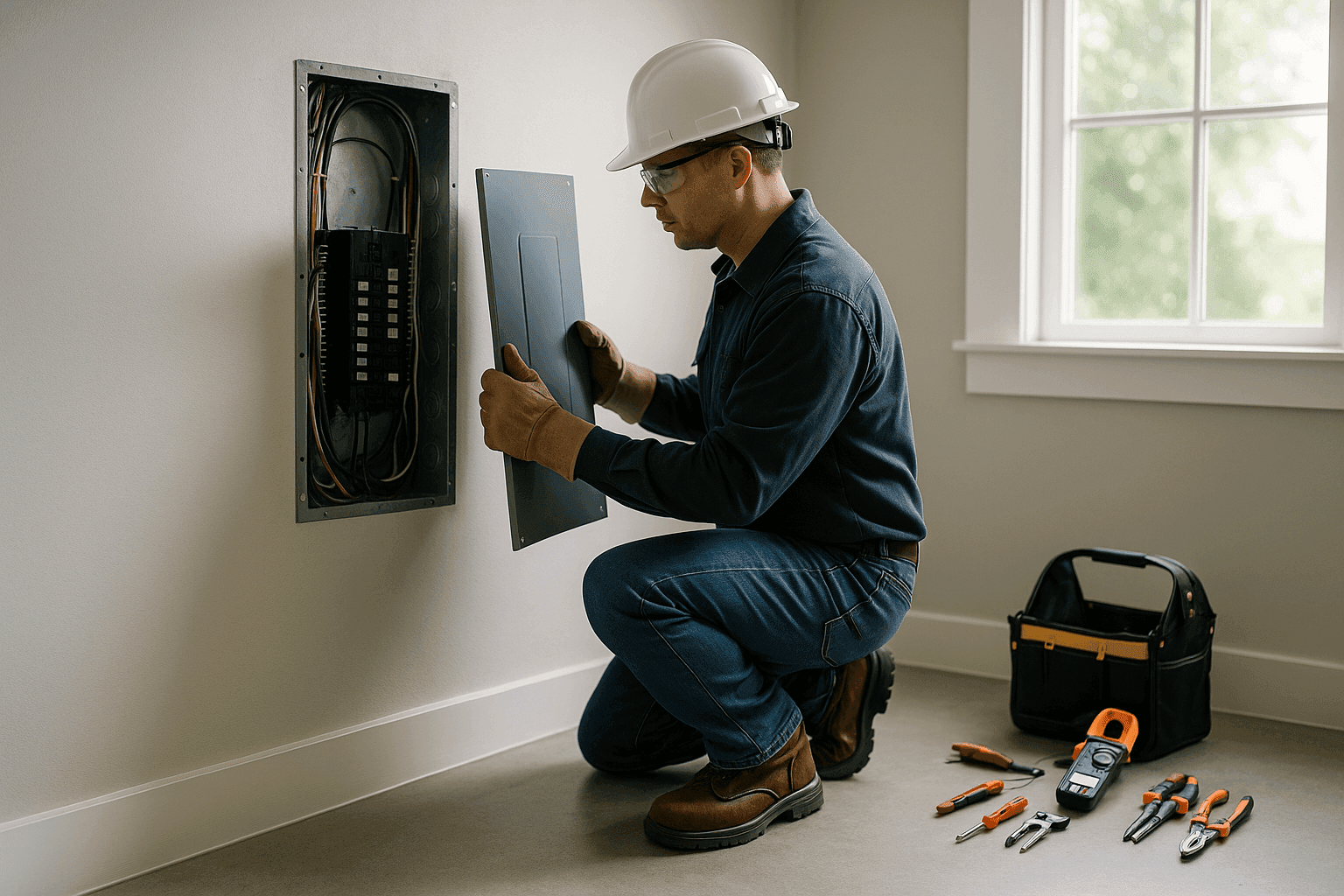
Is your electrical panel keeping up with your everyday needs? Or does it feel like your home or business is tiptoeing on a tightrope, just waiting for a misstep? Flickering lights, a breaker that trips more than it should, the smell of something “off” near the panel—these are not just annoyances. They’re early warning signs.
At Ceres Electricians, we see these issues every day. Electrical panels are the silent conductors of modern life, powering everything from Ceiling Fans to EV Chargers and sensitive electronics. When your panel can’t keep up, it’s more than inconvenient. It’s a safety risk.
How to Know It’s Time for an Upgrade ⚡
Some warning signs scream. Others whisper. Here’s how to spot them in both homes and businesses:
- Flickering or dimming lights: Not just spooky—this often means your panel is struggling.
- Breakers trip frequently: If you reset the breaker more often than you’d like, your panel could be overloaded.
- Old fuse boxes: Modern appliances draw more power. Fuse boxes—common in homes built before the 1970s—can’t always handle today’s demands.
- Rust or corrosion: Any sign of moisture or rust in the panel box is a red flag.
- Burning smell or warm panel: This is a stop sign, not a yield. It could mean loose connections or worse.
- New equipment or renovations: Adding a pool, spa, workshop machinery, or even a high-powered oven? Your panel needs to keep up.
- Insurance or code requirements: Insurers may require upgrades for coverage. New codes can make older panels non-compliant.
For commercial spaces, the stakes are higher. Outdated panels can lead to costly downtime, failed safety inspections, or even invalidate business insurance.
What to Expect During the Process
Upgrading an electrical panel isn’t like changing a lightbulb. It’s more like heart surgery for your building’s electrical system. Here’s a step-by-step look at what happens:
- Initial assessment: A certified electrician inspects the current panel, reviews your power needs, and checks for code compliance.
- Permit application: Most local regulations require a permit. This ensures work meets the latest safety codes (reference: National Electrical Code - NEC).
- Power shutoff: For safety, power is shut off during the upgrade. Plan for a few hours with no electricity.
- Panel replacement or upgrade: The old panel is removed. New, properly rated equipment is installed—tailored to your home’s or business’s needs.
- Wiring checks: Circuits, grounding, and bonding are tested. Any dangerous wiring is repaired or replaced.
- Inspection: An official inspection is scheduled. Only after passing is power restored.
For commercial jobs, the process can be more complex, involving coordination with building managers, city inspectors, and sometimes after-hours work to minimize disruption.
Breakdown of Typical Costs
Electrical panel upgrades aren’t one-size-fits-all. Several factors affect the price:
- Amperage: Upgrading from 100 to 200 amps? That’s a bigger job than swapping a same-sized panel.
- Size of property: More circuits and larger spaces mean more materials and labor.
- Permit and inspection fees: These are required by law and vary by municipality.
- Code compliance upgrades: Sometimes, older wiring or grounding needs to be brought up to current standards.
- Accessibility: Hard-to-reach panels, finished walls, or tight utility rooms add time.
Residential upgrades typically range from a few thousand dollars, depending on the above factors. Commercial upgrades, with higher power needs and strict codes, can be significantly more. Always budget for hidden surprises—older buildings often reveal unexpected issues once work begins.
Why Certified Electricians and Code Compliance Matter
Electrical work isn’t a place to cut corners. Panels installed by unlicensed workers can void insurance, fail inspections, and put lives at risk. At Ceres Electricians, our team is certified and trained on current codes, so your upgrade is not just legal—it’s safe.
The National Fire Protection Association (NFPA) and the Electrical Safety Foundation International (ESFI) both stress the importance of hiring qualified, licensed electricians for all panel work. Improper installations can cause fires, electric shock, and invalidate property insurance.
Preventative Tips to Avoid Electrical Hazards
Prevention costs less than repair. Here’s how you can maximize your system’s lifespan and safety:
- Schedule regular electrical safety inspections: Catch small issues before they become big problems.
- Don’t overload outlets or power strips: Especially in older homes or businesses.
- Install surge protection: Protect valuable electronics and appliances from voltage spikes.
- Replace old wiring: Knob-and-tube or aluminum wiring can be hazardous by today’s standards.
- Test smoke and carbon monoxide detectors: Early warning saves lives.
Residential and Commercial Considerations
Homes: Look for signs like tripped breakers when running multiple appliances, or hot outlets and switches. Older homes (pre-1980) are especially at risk.
Businesses: Upgrades may be required as you add equipment, machinery, or expand your workspace. Regular maintenance and timely panel upgrades keep your operations running and protect your investment.
Frequently Asked Questions
How long does a panel upgrade take? Most residential jobs are done in one day. Commercial projects can be longer—especially if your business can’t shut down during the day.
Can I add more circuits without a full upgrade? Sometimes, yes. But if your panel is maxed out or outdated, adding circuits can be unsafe.
Will my power be off all day? Plan on 4–8 hours for most homes. For businesses, downtime can be scheduled after hours.
Is a permit really necessary? Yes. Permits and inspections are required for safety, insurance coverage, and code compliance.
When It’s an Emergency 🚨
If you smell burning, see smoke, feel heat at the panel, or if your breakers refuse to reset, call an electrician immediately. Don’t try to fix it yourself. These are signs of serious electrical hazards.
Local and Seasonal Considerations
In some regions, heavy storms, heatwaves, or cold snaps can strain your electrical system. Backup generators, surge protection, and seasonal maintenance can help. Businesses with sensitive electronics or critical equipment should consider regular professional safety checks.
Closing Thoughts
Your electrical panel is the backbone of your property’s power. Ignoring warning signs can lead to inconvenience, lost productivity, or worse, a major safety hazard.
If you’re seeing any of these issues—or just want peace of mind—reach out to the team at Ceres Electricians. Whether you need Ceiling Fans near you, a full electrical system design, or emergency repairs, we’re always ready to help.
Call Ceres Electricians now — or reach us anytime at 877-759-3872 .