Backup Generators: How to Choose, Install, and Maintain Reliable Power
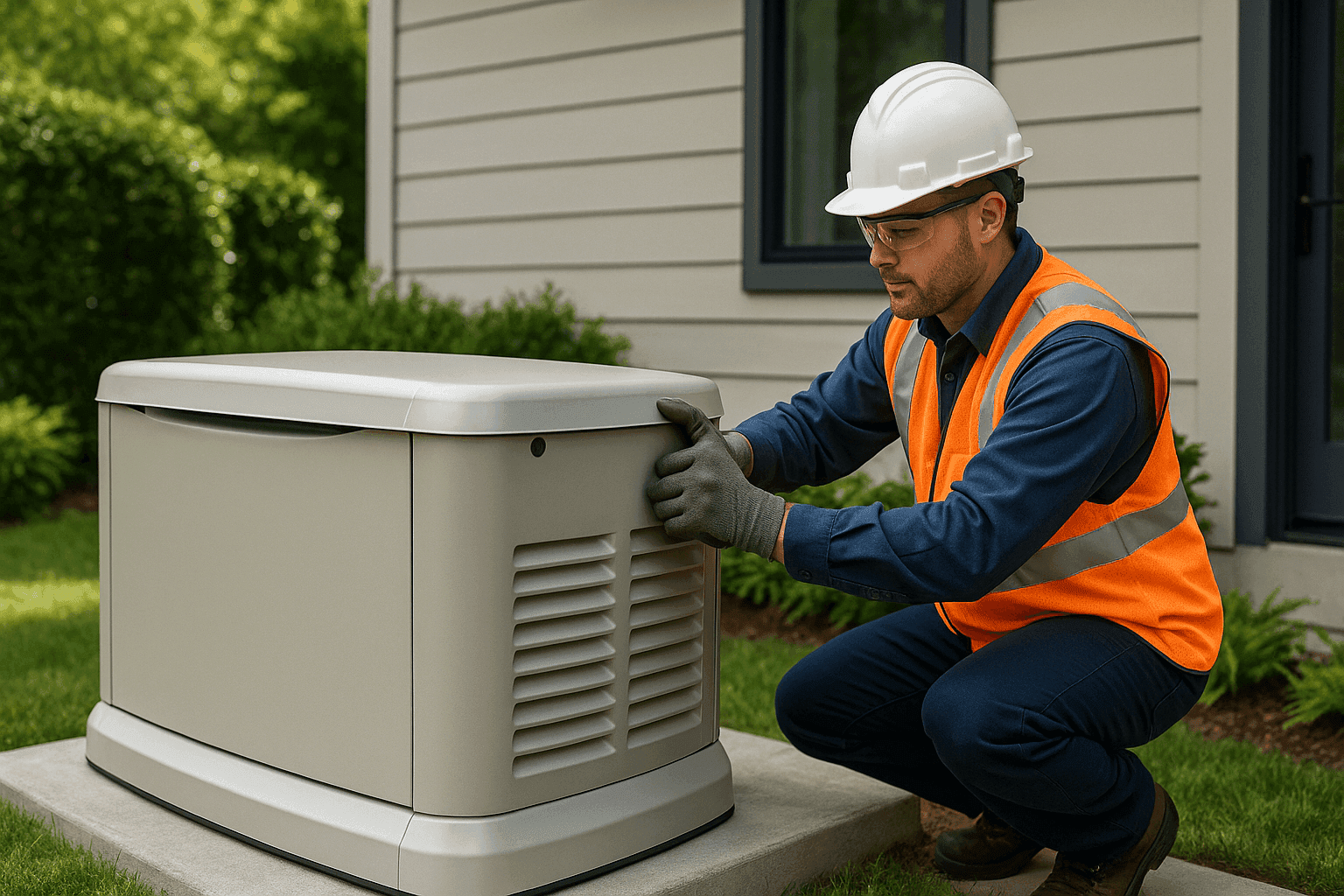
Power can disappear in a blink. Storms knock out the grid. A blown transformer leaves your business in the dark. Suddenly, everything stops—lights, appliances, heating, security systems, even that phone you keep charged “just in case.”
Ceres Electricians knows the feeling. We’ve seen families forced to toss out fridges full of food and businesses counting the cost of every hour offline. We step in with practical solutions: reliable backup generators, professionally installed and maintained, for homes and companies that can’t afford to be powerless.
Why Invest in a Backup Generator? ⚡
Imagine your world when the lights go out. Frustration. Uncertainty. But with a backup generator, the show goes on—TVs flicker, computers keep humming, and that pot of coffee keeps brewing. Why make this investment?
- Safety: Keep security systems, smoke detectors, and medical equipment running.
- Comfort: No more shivering through winter blackouts or sweating out summer outages.
- Productivity: Businesses avoid costly downtime, spoiled inventory, and lost data.
- Peace of Mind: You know you’re ready for storms, grid failures, or construction mishaps.
Backup generators come in two main types: portable and standby. Both have their place, but the right choice depends on your needs, property, and budget. Let’s break it down.
How to Size Your Generator
You wouldn’t buy shoes two sizes too small. The same goes for generators—choose one that’s not too much, not too little, but just right.
Step 1: List Your Essentials
What must stay powered? Think:
- Refrigerators and freezers
- Heating and cooling systems
- Lights and outlets
- Medical devices
- Wi-Fi routers, phones, and computers
- Sump pumps or well pumps
- Commercial equipment (for business owners)
Step 2: Add Up Wattage
Every device uses power measured in watts. Add up the running wattage (and starting watts for motors like fridges). The total is your minimum generator size.
Tip: The U.S. Department of Energy offers clear wattage charts. Check appliance labels or manuals for specifics.
Step 3: Think Ahead
Planning for future needs? Add a buffer (20–25%) to your total. It’s easier—and safer—to have a bit more capacity than to risk overloading your system.
Step 4: Portable vs. Standby
- Portable generators: Flexible, affordable, and suitable for a few critical circuits. You manually start and refuel them. Best for short outages or smaller properties.
- Standby generators: Fixed in place, connected directly to your home or business electrical panel. They kick on automatically when power fails. These can power an entire building and often run on natural gas or propane.
Still unsure? An electrician from Ceres Electricians can walk you through sizing, ensuring you get “just right” power—nothing more or less.
Installation and Permitting Basics
Installing a backup generator isn’t like plugging in a new lamp. It’s more like adding a new heart to your electrical system. Safety and legal compliance are critical.
The Professional Process
- Site Assessment: Find a safe, well-ventilated spot, away from windows and doors to prevent carbon monoxide risk.
- Permits: Most towns and cities require permits for generators—especially standby models. These ensure wiring and fuel hookups meet the National Electrical Code (NEC) and local rules.
- Transfer Switches: A transfer switch isolates your home from the main grid during an outage. It’s essential for safety. Without one, you risk “backfeeding”—a dangerous situation for utility workers and your own equipment.
- Wiring and Fuel: Electricians handle connections to your panel (and, for standby units, gas supply lines). We use certified equipment and follow every code—no shortcuts, ever.
- Testing and Inspection: Once installed, the system must be tested under load and inspected as required by local authorities.
Never attempt a DIY generator install. Even experienced DIYers can miss critical steps or ignore safety codes. Always call a licensed, insured electrician near you.
Ongoing Maintenance and Safety 🧰
Like a car, your generator needs regular attention. Neglected machines fail when you need them most.
Maintenance Checklist
- Monthly: Check oil, coolant, and fuel levels (for standby units).
- Every 6 Months: Run the generator under load. Listen for odd noises or vibrations.
- Annually: Change oil and filters, inspect wiring, clean air intakes, and test the transfer switch.
- After Major Events: If you’ve run the generator for an extended period—like after a storm—schedule a full inspection.
Safety First
- Never operate a portable generator indoors or near vents and windows.
- Install carbon monoxide detectors in your home or business.
- Keep fuel stored safely, away from heat sources.
- Schedule annual electrical safety inspections with a qualified electrician.
The National Fire Protection Association (NFPA) and the Occupational Safety and Health Administration (OSHA) both stress these practices for safe generator use.
Seasonal and Emergency Scenarios
Storms, hurricanes, and ice events are the usual suspects behind outages. Generators shine brightest when the weather turns dark.
- Before Storms: Test your system. Top off fuel. Review your start-up checklist.
- During Extended Outages: Rotate usage to extend fuel and prevent overloads.
- After Restoration: Let your generator cool down before any maintenance.
For businesses—especially those with perishable goods, medical equipment, or critical data—backup power isn’t a luxury. It’s insurance.
Building Trust: Certified Equipment & Code Compliance
We use only certified, tested equipment that meets or exceeds industry standards. Every installation and repair aligns with the National Electrical Code and local regulations. Our work is inspected and documented, so you can show insurers or inspectors that your backup power system is up to the task.
FAQ: Backup Generators and Your Property
How long will a standby generator run during an outage?
Most standby generators can run continuously for days, as long as they have fuel (natural gas or a full propane tank).
Is portable or standby better for my home?
Portable units are great for essentials in small homes or apartments. Standby is better for whole-house coverage or businesses with critical needs.
Do I need a permit for a generator?
Yes. Most cities require permits and inspections for standby generator installation.
Will a generator increase my property value?
A professionally installed standby generator can boost resale value and make your property more attractive to buyers.
Local and Seasonal Considerations
Every region faces unique challenges. In cold climates, frozen pipes are a risk. In hot areas, A/C is essential. Ceres Electricians considers your local weather, property size, and typical outage scenarios when recommending generator solutions.
The Ceres Electricians Difference
We’re not just wiring machines—we’re helping families and businesses stay safe, comfortable, and connected. Every job is done by licensed electricians with deep experience in generator installation, wiring, safety, and maintenance. Whether you need a new system, repairs, or a quick electrical safety inspection, we’re ready—24 hours a day.
Call Ceres Electricians now — or reach us anytime at 877-759-3872 .