Home Electrical Upgrades to Boost Safety and Efficiency
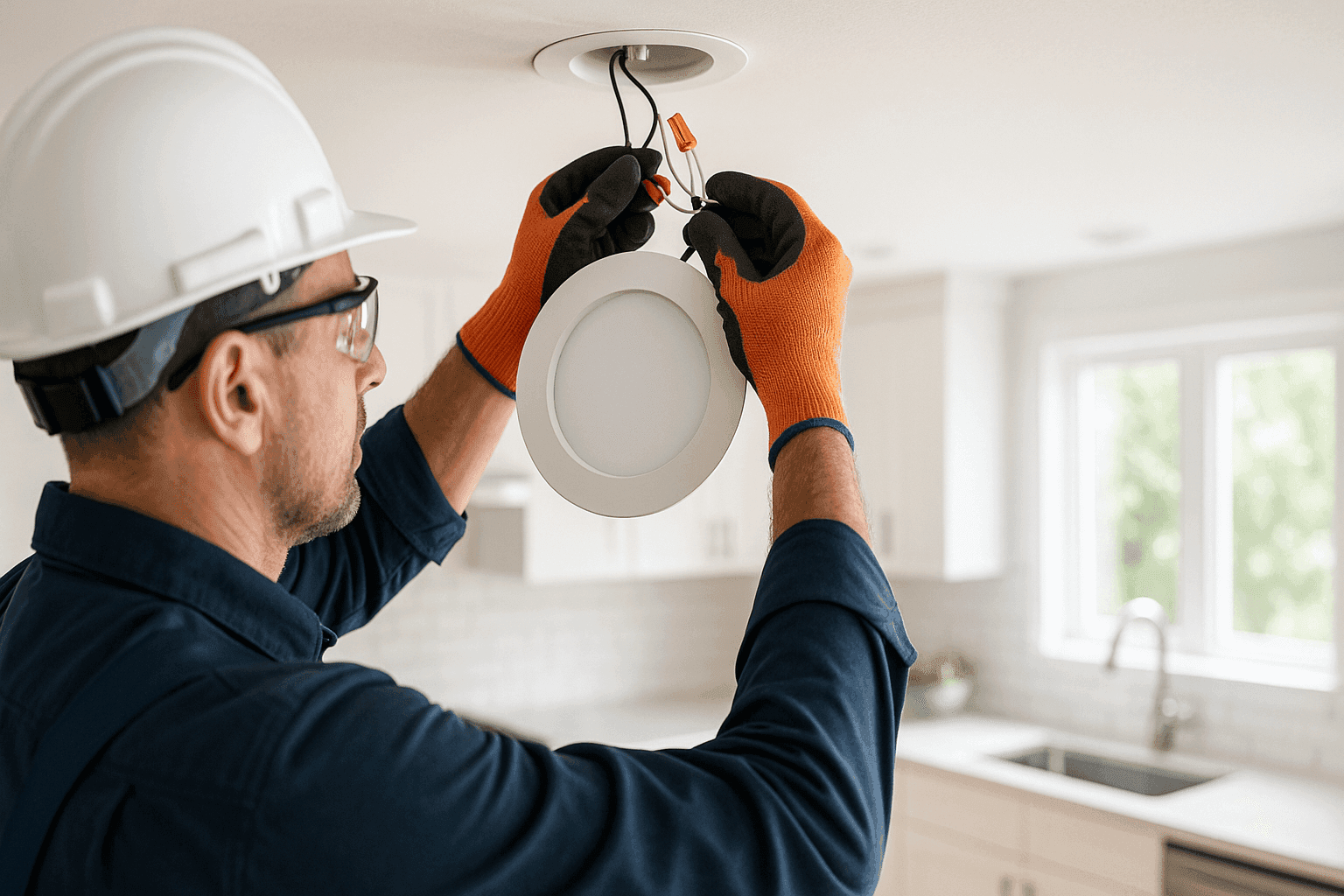
If your home’s electrical system is starting to feel more like a ticking clock than a safety net, you’re not alone. Old wiring, flickering lights, and outlets that spark on contact—these are not just annoying quirks. They’re warning signs. At Ceres Electricians, we help homeowners and businesses spot these issues before they become serious hazards.
Electrical upgrades aren’t just about ticking a box for modern living. They’re about making your space safer, more efficient, and ready for whatever tomorrow brings—whether that’s a new electric vehicle, smart home tech, or simply peace of mind.
Signs You Need an Electrical Upgrade ⚡
Some electrical problems whisper. Others shout. Here’s what to watch for:
- Flickering or dimming lights: Not just spooky—could mean overloaded circuits.
- Frequent breaker trips: Like a fuse with stage fright, a tripping breaker signals trouble.
- Warm outlets or switches: If it’s heating up, something’s not right.
- Two-prong outlets: These can’t handle modern appliances or provide grounding.
- Buzzing sounds or burning smells: Never ignore these. They’re alarm bells.
- Outdated wiring (knob-and-tube, aluminum): Old wiring is like driving with bald tires—risky.
- Lack of GFCI/AFCI protection: Especially in kitchens, bathrooms, and outdoor areas.
If your home was built before the 1980s, it’s time for a checkup. The National Fire Protection Association (NFPA) highlights that electrical failures are a leading cause of home fires. Prevention starts with attention.
Top Safety and Efficiency Improvements
Upgrading your home’s electrical system isn’t just about adding gadgets—it’s about building a safer future.
Replace Outdated Wiring
Imagine your electrical system as the veins of your home. Old, brittle wiring is like clogged arteries. Replacing knob-and-tube or aluminum wiring reduces fire risk and meets today’s power demands.
- Who needs it? Homes built before 1970, or with additions/renovations using old methods.
- Benefit: Greater safety, reduced risk of electrical fires, and smoother running appliances.
Install GFCI and AFCI Outlets
Think of GFCIs (Ground Fault Circuit Interrupters) as lifeguards for your outlets. AFCIs (Arc Fault Circuit Interrupters) are the smoke detectors of your wiring. Both are required by the National Electrical Code (NEC) in certain areas.
- Where: Kitchens, bathrooms, laundry rooms, garages, outdoors.
- Why: They shut off power in dangerous situations—before you even realize there’s a problem.
Upgrade to LED Lighting
Swapping old bulbs for LEDs is like trading in a gas guzzler for an electric car. Less heat, less energy, longer life.
- Bonus: Modern fixtures can be paired with dimmers, motion sensors, and automation for ultimate control.
Add Smart Home Automation
Smart switches, thermostats, and outlets turn your home into a responsive partner. Imagine lights that greet you at the door, or a system that turns off forgotten appliances.
- Practical tip: Start small—upgrade a few outlets or install a smart thermostat before expanding.
Benefits of Modernizing Your System
Upgrades aren’t just about what you get today. They shape your home for years to come.
- Lower repair costs: Fixing issues before they escalate is always less expensive than dealing with a crisis.
- Energy savings: LED lighting and smart controls trim your utility bills month after month.
- Support new tech: From ceiling fans near you to electric vehicle chargers, a modern system is ready for anything.
- Home value: Buyers want safety and convenience. Electrical upgrades are a selling point.
- Peace of mind: Sleep better knowing your family or business is safe—no more worrying about “what if.”
Quick Safety Checklist ✅
Before reaching for the toolbox or the phone, run through these basics:
- Are any outlets or switches hot to the touch?
- Do you smell burning or see scorch marks?
- Are extension cords a permanent fixture in your home?
- Is your breaker panel labeled—or a mystery?
- Do outlets spark when plugging in appliances?
- Is your home missing smoke or carbon monoxide detectors?
If you answered “yes” to any, it’s time to bring in a qualified electrician.
DIY vs. Call a Pro
Changing a lightbulb? Go for it. Rewiring a room? That’s a whole different story.
- DIY-friendly: Swapping out bulbs, resetting breakers, or adding plug-in smart devices.
- Call a pro: Anything behind the walls, panel upgrades, new circuits, or whole-home rewiring.
Accredited electricians—like those at Ceres Electricians—are trained to spot hidden hazards and perform work to current code.
What Pros Do On Arrival
When a Ceres Electricians technician arrives, here’s what you can expect:
- Inspection: Thorough assessment of wiring, outlets, breakers, and safety devices.
- Diagnosis: Pinpointing root causes, not just symptoms.
- Recommendations: Tailored upgrades based on your home’s age, layout, and your needs.
- Installation: Code-compliant, neat, and safe. We use only quality parts.
- Testing: Every upgrade is tested for reliability and safety.
Our team follows the National Electrical Code and local regulations. We don’t cut corners.
Prevention & Maintenance
Regular maintenance is like changing the oil in your car. It keeps things running smoothly and avoids breakdowns.
- Annual safety checks: Catch small issues before they become big ones.
- Panel/breaker maintenance: Prevents overload and prolongs lifespan.
- Smoke/CO detector testing: Essential for early warning.
- Surge protection: Safeguards appliances from voltage spikes.
The Electrical Safety Foundation International (ESFI) recommends professional inspections every 10 years—more often for older homes.
Costs & Time Factors
Electrical upgrades aren’t one-size-fits-all. Here’s what factors in:
- Scope: Whole-home rewiring takes longer and costs more than replacing a few outlets.
- Home age: Older homes may require extra work to meet code.
- Materials: Modern, high-quality parts last longer and perform better.
- Access: Finished basements or tight crawl spaces can add time.
Most upgrades—like panel replacements or GFCI outlet installations—can be completed in a day or two. Bigger projects may stretch over several days. Investing now saves money and headaches down the road.
When It’s an Emergency 🚨
If you see smoke, smell burning, or have breakers that won’t reset—call an electrician immediately. Never risk your safety.
- Don’t: Use water on electrical fires. Unplug appliances if safe.
- Do: Evacuate if needed. Contact your local fire department if the situation escalates.
Ceres Electricians offers 24-hour emergency service for urgent problems.
FAQ
How often should I have my home’s wiring inspected?
The ESFI advises every 10 years, or right away if you notice warning signs.
Do I really need GFCI outlets everywhere?
They’re required by code in kitchens, bathrooms, garages, unfinished basements, and outdoors. They prevent shock and save lives.
Can I install smart home devices myself?
Some plug-in devices are DIY-friendly. Hardwired upgrades—like smart switches—should be installed by a qualified electrician.
What about insurance?
Upgrading outdated wiring or panels can sometimes lower your home insurance premiums. Check with your provider.
Local and Seasonal Considerations
Weather matters. In storm-prone areas, surge protection and backup generators go from “nice-to-have” to “must-have.” If your region faces extreme heat or cold, reliable power for HVAC is critical. Planning to install a pool or spa? That’s a job for a professional electrician familiar with local codes.
Older homes in established neighborhoods often hide outdated wiring behind handsome walls. Don’t let looks fool you—safety comes first.
Ready to make your home safer, more efficient, and future-proof?
Call Ceres Electricians now — or reach us anytime at 877-759-3872 .