How to Safely Install and Maintain EV Chargers at Home
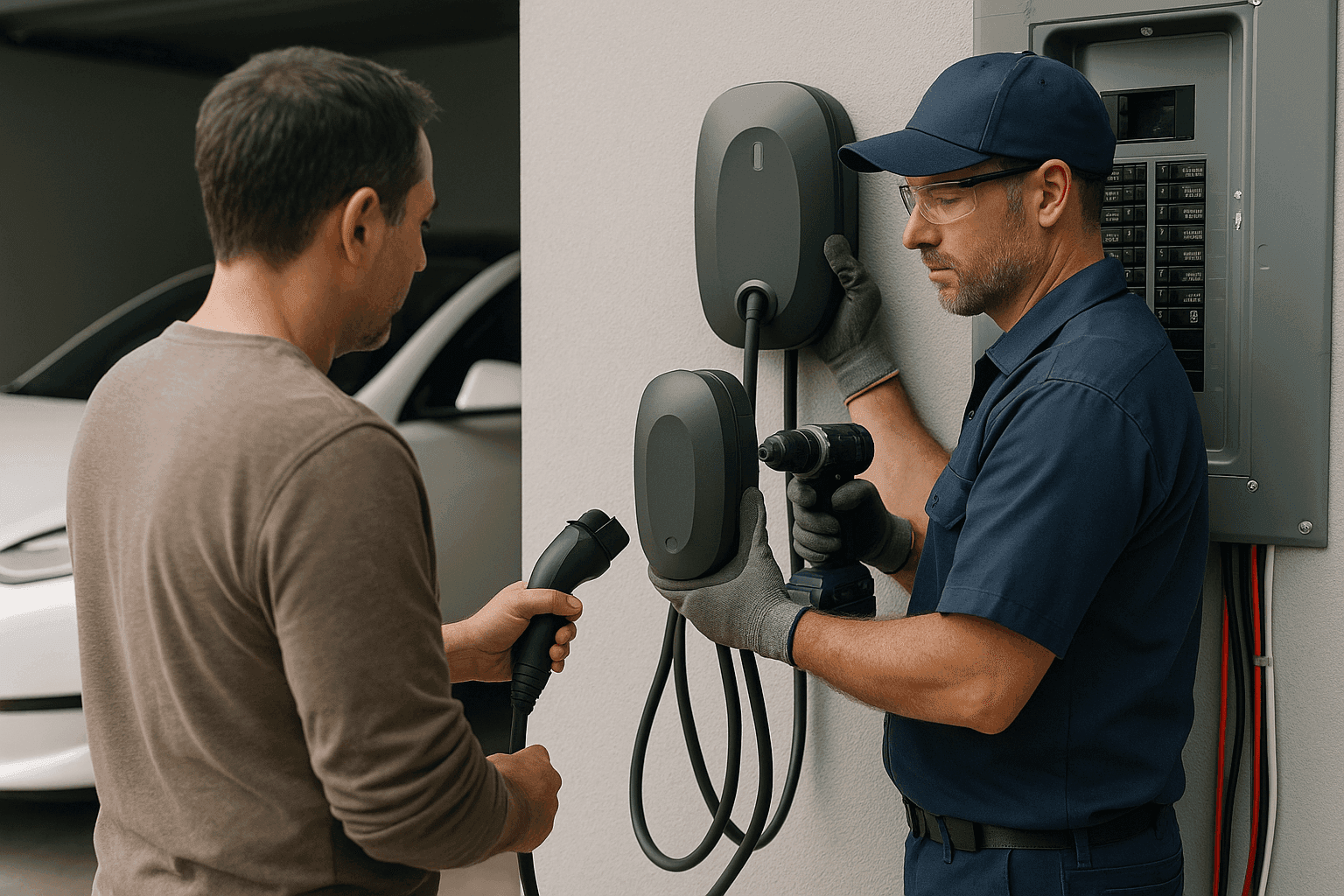
Are you thinking about charging your electric vehicle at home? It’s a smart move for convenience and cost savings. But—like plugging a fire hose into a garden tap—installing an EV charger is a big leap for your home’s electrical system.
A safe, reliable setup is about more than plugging in. It’s about protecting your home, your car, and your peace of mind. At Ceres Electricians, we’ve seen what happens when shortcuts are taken. Let’s walk through how to do it right, from choosing the right charger to keeping it running for years.
Why Safe EV Charger Installation Matters ⚡
Your home’s electrical system is like the circulatory system of your house. Adding an EV charger is like adding a new heart valve—one that pumps a lot of energy, fast. If it’s not installed correctly, you risk overheating, electrical fires, or tripped breakers. Worse, you could void your car’s warranty or home insurance.
That’s why national electrical codes (like the NEC) and manufacturer instructions aren’t just red tape. They’re guardrails to keep your family and property safe.
Quick Safety Checklist
Before you start, here’s what every homeowner should check:
- Electrical Panel Capacity: Is your panel big enough to handle an EV charger?
- Wiring Condition: Are your wires up to code and in good shape?
- Proper Grounding: Is your system grounded to prevent shocks?
- GFCI/AFCI Protection: Do you have ground-fault and arc-fault protection where required?
- Certified Equipment: Are you using chargers and parts listed by recognized labs (like UL)?
- Surge Protection: Is your system protected from voltage spikes?
- Permits and Inspections: Have you checked local requirements and scheduled inspections?
If any of these sound unfamiliar, don’t worry. That’s what professional electricians are for.
Choosing the Right EV Charger
Not all chargers are created equal. Some are like a trickle of rain, others a powerful waterfall. Here’s what to consider:
Level 1 vs. Level 2 Chargers
- Level 1: Plugs into a standard outlet (120V). Slow—think overnight charging.
- Level 2: Requires a dedicated 240V circuit. Much faster—most cars fully charge in a few hours.
Most homeowners choose Level 2 for convenience. But it needs a dedicated circuit and often an upgrade to your electrical panel.
Matching Your Home’s Capacity
An electrician will check your panel’s amperage. Older homes may need an upgrade to handle a high-powered charger. Think of it as widening the pipes before turning up the pressure.
Weatherproofing and Placement
Install chargers in a dry, accessible spot—garage or carport is best. Outdoor units need weatherproof covers and proper installation to keep water out.
Professional Installation Tips
A certified electrician does more than just hook up wires. Here’s what happens during a proper installation:
- Load Calculation: Checks if your panel can handle the new load without overloading.
- Dedicated Circuit: Installs a new breaker and circuit just for the charger.
- Correct Wiring: Uses the right gauge wire for the charger’s amperage.
- Proper Grounding: Ensures the system is grounded to prevent shocks.
- Permits and Inspections: Secures permits and schedules inspections as required by law.
- Testing: Verifies the charger operates safely before use.
According to the National Electrical Code (NEC), all EV charger installations must comply with section 625. Always use a licensed electrician—never cut corners.
Routine Maintenance and Safety Checks 🛠️
Like any major appliance, your EV charger needs regular checkups. Here’s how to keep it running safely:
Monthly Visual Inspection
- Check for frayed wires or cracked casings.
- Make sure the charger is firmly mounted.
- Look for any signs of overheating—discoloration, melted plastic, or a hot smell.
Annual Electrical Safety Inspection
Schedule a yearly inspection with a licensed electrician. They’ll test connections, confirm grounding, and check for hidden faults.
Cleanliness
Keep dust, leaves, and debris away from the charger and cables. Moisture and dirt are enemies of reliable charging.
Surge Protection
Install a surge protector at your panel to guard against lightning and power surges. This protects your charger—and your car’s sensitive electronics.
Troubleshooting Common Issues
Even the best equipment can have hiccups. Here’s what to watch for:
- Charger Won’t Power On: Check breaker, outlet, and connections. If the breaker trips repeatedly, call an emergency electrician.
- Charging Is Slow: Could be a wiring issue or a problem with the car. Try another charger if possible.
- Overheating: If the charger or plug feels hot, stop using it and call a professional.
- Error Lights: Refer to the charger’s manual. Most have codes to help diagnose problems.
Never ignore warning signs. Small issues can grow into big hazards if left unchecked.
DIY vs. Call a Pro
Installing an EV charger isn’t like swapping out a light bulb. It’s more like rewiring your heart. Here’s why:
When DIY Might Work
- Plug-in Level 1 chargers, if you have a safe, grounded outlet.
- Minor cleaning or visual inspections.
When to Call an Electrician
- Any hardwired or Level 2 charger installation.
- Upgrading your panel or running new circuits.
- Troubleshooting persistent faults or tripped breakers.
- Installing surge protection or GFCI/AFCI breakers.
Working with high voltage is dangerous. The risks aren’t worth it. Always call a licensed professional for anything beyond basic upkeep.
What Pros Do On Arrival
When you call Ceres Electricians, here’s what to expect:
- Site Assessment: We inspect your electrical panel, wiring, and charger location.
- Load Calculation: We determine if upgrades are needed.
- Permitting: We handle all paperwork and schedule inspections.
- Installation: We run new circuits, install the charger, and ensure proper grounding.
- Testing: We verify everything works safely—before you plug in your car.
We follow all local and national codes, using certified equipment for every job.
Prevention & Maintenance
Think of your EV charger like a car. Regular maintenance keeps it running smoothly and safely. Here’s how:
- Schedule Annual Inspections: Catch problems early.
- Test GFCI/AFCI Protection: Press test buttons monthly.
- Monitor for Wear: Replace cables or parts at the first sign of damage.
- Keep Records: Note installation dates, inspections, and repairs.
A little prevention goes a long way. It’s like changing your car’s oil before the engine seizes.
Costs & Time Factors
Every home is different. Here’s what can affect installation time and cost:
- Panel Upgrades: Older panels may need expansion or replacement.
- Distance from Panel to Charger: Longer runs mean more labor and materials.
- Permitting and Inspection Fees: Vary by location.
- Charger Type: Hardwired units cost more to install than plug-in models.
Most installations take a few hours to a full day. Panel upgrades can add extra time. Always get a detailed estimate before work begins.
When It’s an Emergency
Sometimes, problems strike at the worst moment—just as you’re heading out, or during a storm. Here’s when to call an emergency electrician:
- Burning Smell or Smoke: Shut off power and call immediately.
- Repeated Breaker Trips: Could signal a major fault.
- Charger or Panel Feels Hot: Stop using and call for help.
- Loss of Power During Charging: May indicate a serious wiring issue.
Fast action can prevent fires and protect your investment.
Special Considerations for EV Chargers
Preparing for Storm Season
Thunderstorms and power surges can damage chargers. Install whole-home surge protection and unplug your charger during severe weather when possible.
Backup Power
If you rely on your EV for transportation, consider a backup generator or battery system. This keeps you charged up even during outages.
Future-Proofing
Plan ahead. If you might own more than one electric vehicle, ask your electrician to install wiring that can handle a second charger. It’s easier (and cheaper) to do it now than later.
Upgrading Your Charger
Technology moves fast. Signs you may need an upgrade:
- Your charger is more than 5–7 years old.
- It’s not compatible with your new vehicle.
- You notice frequent faults or slow charging.
Ask your electrician about the latest certified models.
FAQ
Can I install a Level 2 charger myself?
Only if you’re a licensed electrician. Level 2 chargers require a dedicated 240V circuit and must meet strict code requirements.
How often should I have my EV charger inspected?
At least once a year, or sooner if you notice any issues. Safety inspections are key to preventing problems.
What are the signs my charger needs repair?
Look for tripped breakers, error lights, overheating, or physical damage to the unit or cables.
Do I need surge protection for my charger?
Yes. Surge protection helps prevent damage from lightning and power spikes—essential for sensitive electronics.
Final Thoughts
Installing an EV charger at home is a big step toward a cleaner, more convenient future. But it’s not a job to rush or cut corners on. With the right equipment, professional installation, and regular maintenance, you’ll enjoy safe, reliable charging for years to come.
Call Ceres Electricians now — or reach us anytime at 877-759-3872 .