Electrical Safety Inspections: Why Every Home and Business Needs One
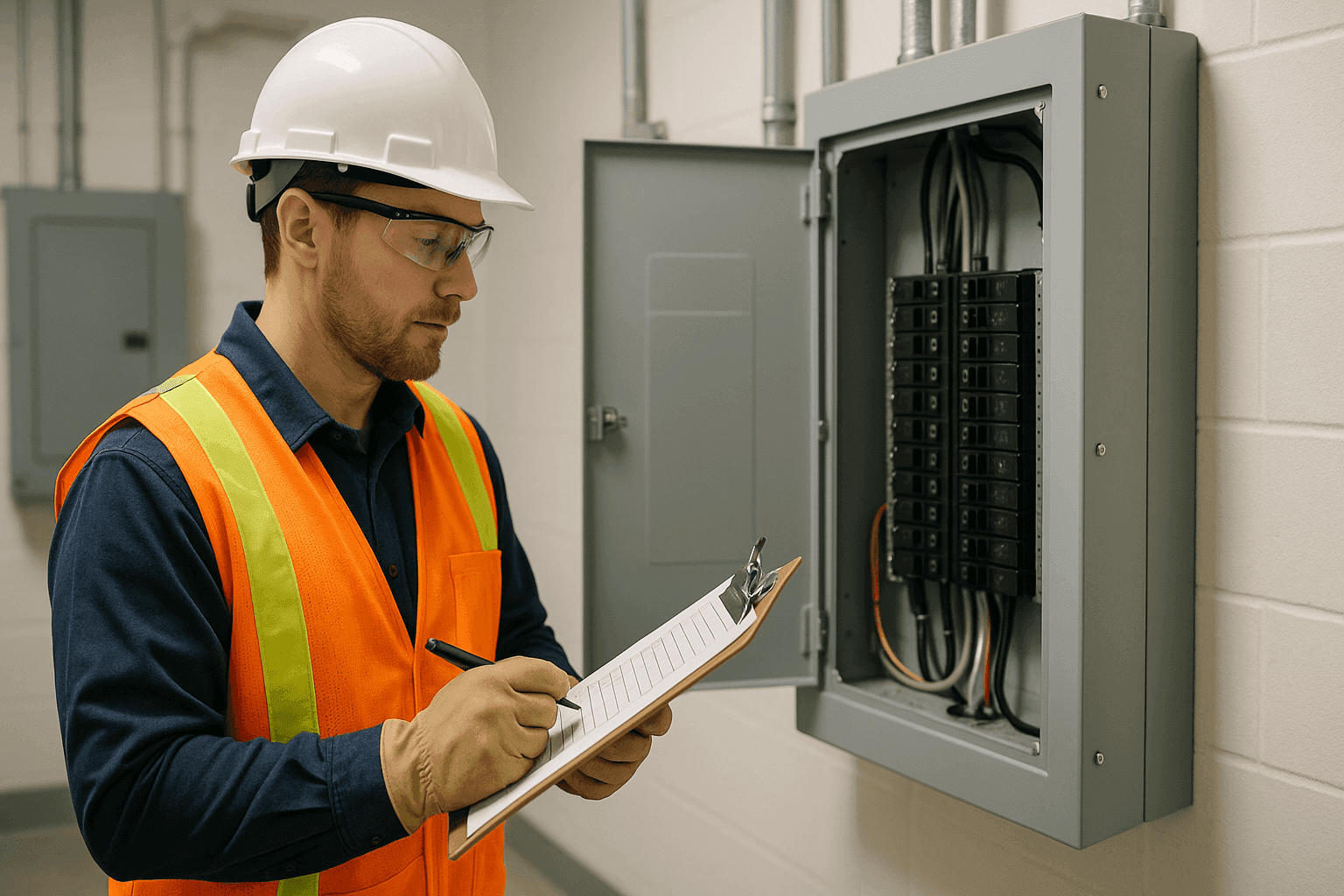
Electricity is essential. It powers your life, your business, your peace of mind. But it can turn dangerous in an instant. Worn wires, outdated panels, or a single loose connection can transform a safe home or bustling office into a risk zone. That’s why Ceres Electricians urges everyone—homeowners and business owners alike—to put electrical safety inspections at the top of your to-do list.
We know the temptation: “If it’s not broken, why check it?” The truth? Most electrical hazards don’t announce themselves until it’s too late. Let’s pull back the curtain on what an inspection really means, what you should expect, and why it matters for the safety of everyone under your roof.
What Is Included in an Inspection ⚡
Think of an electrical safety inspection as a thorough health check for your electrical system. A certified electrician doesn’t just glance at a fuse box and call it a day. Here’s what’s usually on the menu:
- Panel and Breaker Evaluation: Are your panels up-to-date? Are breakers functioning and labelled properly?
- Wiring & Circuits: Checking for frayed, outdated, or overloaded wiring—common in older buildings and renovations.
- Outlets, Switches & Fixtures: Testing for correct operation, secure mounting, and safe installation.
- Grounding & Bonding: Ensuring the system can safely redirect electricity if something goes wrong.
- Smoke & Carbon Monoxide Detectors: Testing for placement, function, and battery life.
- Appliance Connections: Inspecting heavy-duty connections—think ovens, dryers, pool pumps—to make sure they’re safe.
- GFCIs/AFCIs: Verifying that ground-fault and arc-fault protection is installed where required by code.
- Low and High Voltage Systems: Evaluating data cabling, machine wiring, and more.
- Backup Generators & Surge Protection: Checking readiness and compliance (especially for commercial sites).
- Visible Damage or Overheating: Looking for scorch marks, melted insulation, or signs of excess heat.
Inspections should follow national and local standards, like the National Electrical Code (NEC) or your regional safety authority.
Top Reasons to Schedule Regular Inspections
Why make this a routine? Because electricity doesn’t give second chances. Here’s why it matters:
- Fire Prevention: The U.S. Fire Administration notes that electrical malfunctions are a leading cause of home fires. Early detection saves lives.
- Insurance Compliance: Many insurers require proof of up-to-date inspections for coverage. No inspection? You might be denied a claim after an incident.
- Code Compliance: Electrical codes change. What was legal a decade ago may be a hazard today.
- Protecting Investments: Electrical repairs after a fire or surge are costly—prevention is always cheaper.
- Peace of Mind: Sleep better knowing your electrical system is safe for everyone inside.
- Keeping Your Business Running: Downtime from a preventable electrical failure can mean lost revenue.
Common Hazards Found 🛑
Inspections routinely uncover hidden dangers, such as:
- Overloaded Circuits: Too many devices plugged in, especially with extension cords or power strips.
- Aging Wiring: Aluminum or knob-and-tube wiring is common in older homes and poses unique risks.
- Improper DIY Fixes: Unlicensed repairs, like twisted wires with tape, are accidents waiting to happen.
- Missing or Faulty GFCIs: Especially in bathrooms, kitchens, or outdoors.
- Loose Outlets or Switches: These can spark or arc, leading to fire.
- Rodent Damage: Chewed wires often go unnoticed until something shorts out.
- Corrosion or Water Intrusion: Especially in basements, garages, and pool areas.
Electrical Safety Checklists
For Homeowners
- Test all smoke and CO detectors monthly.
- Check for warm or discolored outlets and switches.
- Don’t ignore frequent circuit breaker trips.
- Replace damaged cords or plugs immediately.
- Avoid daisy-chaining power strips.
- Ensure outdoor outlets are weather-protected.
- Schedule an inspection if your home is over 30 years old, after flooding, or following renovations.
For Business Owners
- Schedule annual electrical safety inspections.
- Ensure emergency lighting and exit signs are operational.
- Inspect machine wiring and control panels for wear.
- Test backup generators monthly.
- Confirm code compliance after any buildout or equipment upgrade.
- Document all electrical repairs and inspections for insurance.
The Role of Certified Electricians
Only a licensed electrician should perform a true safety inspection. Why? Because codes change. Hazards aren’t always obvious. Proper equipment and up-to-date knowledge are needed to spot issues before they become emergencies. At Ceres Electricians, our team stays current with every update from the National Fire Protection Association (NFPA) and NEC.
How Often Should You Get Inspected?
- Homes: Every 3–5 years, or after major renovations, storms, or the purchase of new appliances.
- Businesses: Annually, and immediately after any significant equipment or layout changes.
- Rental Properties: Before new tenants move in, and at regular intervals as required by local law.
If you’re unsure when your last inspection was, it’s time to book one.
Preventing Fires, Compliance, & Code
Electrical fires often start quietly. According to the Electrical Safety Foundation International (ESFI), faulty wiring is a leading cause of home structure fires. Inspections catch these problems before disaster strikes. They also ensure your property meets insurance and legal requirements—so you’re not caught off guard when it matters most.
DIY vs. Call a Pro
Testing a smoke detector or resetting a breaker is fine for most property owners. But tracing circuit problems, evaluating panel health, or checking grounding? That’s pro territory. Don’t risk your life—or your property—by guessing.
If you spot anything odd (burning smells, buzzing outlets, flickering lights), call Ceres Electricians. We’re equipped for homes, offices, warehouses, and specialty environments like pools, spas, and EV charger installations.
What Pros Do On Arrival
When you call an electrician for an inspection, here’s what typically happens:
- Walkthrough: The electrician will ask about past issues, recent repairs, and any concerns.
- Panel Assessment: Main and subpanels are opened, checked for corrosion, tightness, and correct labeling.
- Outlet & Switch Testing: Using specialized testers for voltage, polarity, and safety.
- Wiring Inspection: Visible wiring is checked for insulation damage, overheating, or improper connections.
- Code Review: The electrician will compare your setup to current code requirements.
- Report & Recommendations: You’ll get a summary of findings and prioritized steps to fix any problems.
Prevention & Maintenance Tips
- Don’t ignore warning signs: buzzing, warm outlets, flickering lights.
- Replace or repair damaged cords and plugs.
- Limit the use of extension cords—have outlets and circuits added where needed.
- Keep panels accessible and free of clutter.
- Test GFCI and AFCI devices every month.
- For businesses, assign a staff member to monitor and log electrical issues.
Costs & Time Factors
The time and cost for an inspection vary. For a typical home, it may take an hour or two. Commercial properties, especially those with specialized equipment or high-voltage wiring, can take longer. Factors include property size, system complexity, and accessibility. While investing in an inspection has an upfront cost, it’s minimal compared to the cost of fire, downtime, or failed insurance claims.
When It’s an Emergency
If you experience sparks, smoke, burning odors, or a complete loss of power, don’t wait. Shut off your main breaker (if safe), evacuate if necessary, and call Ceres Electricians for 24-hour emergency service. Safety always comes first.
FAQ
How do I know if my building needs an inspection?
If your property is over 30 years old, has undergone renovations, or if you notice persistent electrical issues, schedule an inspection. For businesses, annual checks are best practice.
Can I perform my own electrical safety inspection?
You can and should check visible issues—like testing detectors or looking for damaged outlets. But only certified electricians should assess panels, wiring, or system grounding.
Does insurance require electrical inspections?
Many insurers do—especially after claims, renovations, or when policies are renewed. Check your policy or ask your agent.
What happens if my system is not up to code?
You may be denied insurance claims, face fines, or be required to make immediate repairs—especially in commercial settings.
Local & Seasonal Considerations
Storms, humidity, and temperature swings can all affect your electrical system. After floods or major weather events, get an inspection. For pool and spa owners, annual checks before swim season are a smart move. Businesses with seasonal equipment (like holiday lighting or heaters) should have systems checked before heavy use.
Electrical safety isn’t a luxury—it’s essential. Whether you’re managing ceiling fans near you or overseeing a commercial warehouse, keep your property and people safe with a professional inspection.
Call Ceres Electricians now — or reach us anytime at 877-759-3872 .